
Do’s and Don’ts of Press Release Writing for Better Media Pickup
In the digital age, press releases have significantly transformed to adapt to the ever-changing media landscape. Their value has only amplified in today’s information-driven era. The advent of social media and online news platforms has propelled press releases to the forefront, serving as a concise and trustworthy conduit of information directly from organizations or individuals.
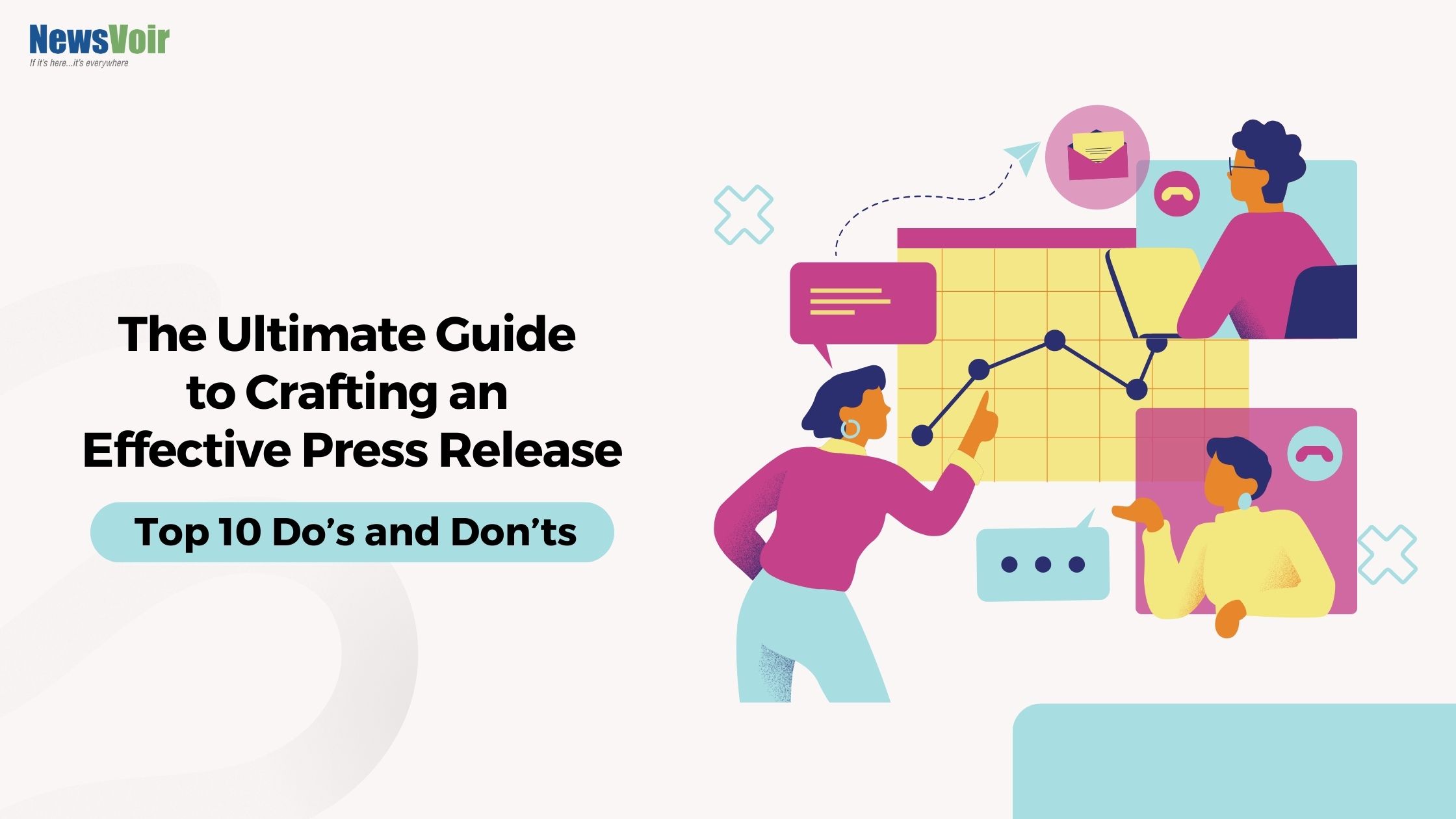
Andy Barr of 10 Yetis Digital found that 100% of journalists consider press releases the top way to find stories. To ensure your press release stands out and meets the expectations of journalists, here are the top 10 do’s and don’ts to keep in mind.
Top 10 Do’s of Press Release Writing
Think Like a Journalist
Craft a Compelling Headline: Headline is the first impression. Make it strong and engaging to capture readers’ attention immediately. For example, instead of writing “New Product Launch by X Company,” use “X Launched Innovative Tech Solution Set to Enhance User Experience.”
Keep Headlines Concise: While writing a headline, aim for 8-10 words. Concise headlines are more impactful and easier to understand. For example, “Company X Unveils Innovative Tech Solution.
Provide News Value: Ensure your release contains newsworthy content. Ask yourself if the information is significant to your audience. For instance, announcing a major partnership or a breakthrough development.
Maintain Authenticity
Include Facts: Facts enhance credibility. Make sure to include verifiable data. For example, “According to a recent survey, 80% of consumers prefer eco-friendly products.”
Use Official Quotes: Enhance authenticity with quotes from key individuals. For example, “John Doe, CEO of XYZ Corp, said, ‘This new initiative marks a significant milestone for our company.’”
Focus on a Strong News Angle
Present New Information: Ensure your announcement is fresh and relevant. For instance, if your company is launching a new product, highlight what makes it unique and beneficial to your audience. For example, emphasize features that solve a common problem or offer a significant improvement over existing products.
Emphasize Newsworthiness: Focus on elements that provide real news value. This could include significant statistics, endorsements from well-known figures, or industry-changing innovations. For instance, “Our new app, which has already been downloaded 10,000 times in the first week, is the first to offer AI-powered fitness tracking specifically designed for home workouts.” Highlighting these aspects makes your press release more attractive to the media and readers.
Conduct In-depth Research
Know Your Audience: Tailor your content to your target audience. For example, a tech company’s press release should focus on technological advancements and industry impact. Understanding your audience’s preferences and interests helps make your press release more engaging and relevant.
Research Industry Trends and Demand: Stay updated with current trends and industry demands to ensure your press release is timely and relevant. For instance, if there’s a growing interest in AI, highlight how your product integrates AI technology. Timing your release to align with industry events or news cycles can significantly boost its impact.
Incorporate Multimedia Content
Use Images and Videos: Multimedia elements like images, infographics, and videos increase engagement. For instance, include a short demo video of your new product.
Graphics and GIFs: These can make your press release more visually appealing and engaging.
Structure Your News Effectively
Follow the Pyramid Style: Start with the 5Ws and 1H (Who, What, When, Where, Why, and How), followed by detailed information. For example, begin with “Company XYZ has launched a new app (What) that aims to revolutionize fitness tracking (Why).”
Detailed Information in the Body: Expand on the key points, providing supporting details and background information. End with any additional details or announcements, like upcoming events or next steps.
Engage with Idioms and Stats
Use Idioms and Achievements: Make your story interesting with idioms and notable achievements. For example, “Breaking new ground, Company XYZ’s latest app is set to ‘change the game’ in fitness tracking.”
Start with Achievements: Highlight significant milestones to grab the reader’s attention. For example, “Company XYZ wins an industry award for innovation.”
Perform a Final Check
Proofread Thoroughly: Ensure error-free content by using tools like Grammarly. Proofreading helps catch any mistakes that could detract from your press release’s professionalism.
Cross-check Facts: Verify all facts and figures to ensure accuracy.
Utilize SEO Best Practices
Write Meaningful Content: Focus on creating original, user-centric content. For example, include keywords naturally within the text to improve search engine ranking.
Generate Backlinks: Aim for high-quality backlinks to improve search rankings. Link to relevant industry reports or your company’s previous press releases.
Go Multi-lingual
Issue in Multiple Languages: Increase reach by offering press releases in different languages. This helps you connect with a broader audience.
Send to Local Media Outlets: Engage with local media to boost engagement and reach.
Top 10 Don’ts of Press Release Writing
Avoid Repetition
No Repetitive Words: Keep headlines unique and engaging to avoid redundancy. For example, instead of repeating “new” multiple times, use synonyms like “innovative” or “groundbreaking.”
Avoid Long Headlines: Headlines should be concise. Long headlines can be overwhelming and are less likely to capture attention.
Steer Clear of Promotional Content
Subtlety is Key: Avoid overly promotional language that can lead to rejection. Instead of saying, “Buy our product now,” focus on its benefits and value.
Mention Sales Subtly: If you need to mention sales, do it subtly. For example, “Our latest product is now available in stores, offering unmatched value.”
No Controversy, No Drama
Avoid Sensitive Topics: Stay clear of controversial issues that could harm your reputation. For example, avoid topics related to politics, religion, or any unverified information.
Avoid a Single Narrative
Provide Multiple Perspectives: Offer a balanced view by covering different sides of the story. This makes your press release more credible and engaging.
Don’t Ignore Multimedia
Incorporate Visuals: Press releases without visuals are less engaging. Include relevant images, infographics, or videos to make your release more appealing.
Avoid Unstructured Content
Be Organized: Present information in a clear, structured manner. Unstructured content is hard to follow and may be ignored by readers.
Limit Jargon Usage
Keep it Simple: Avoid excessive jargon that can confuse readers. Use clear and straightforward language to convey your message.
No Grammatical Mistakes
Proofread: Ensure your release is free of grammatical errors. Use tools like Grammarly to help catch mistakes and improve clarity.
Avoid Black Hat SEO Practices
Stick to Ethical SEO: Focus on long-term, sustainable practices. Avoid tactics like keyword stuffing or buying backlinks, which can harm your reputation and SEO.
Don’t Narrow Your Reach
Expand Your Media List: Send your release to a wide range of contacts, including niche publications and industry-specific journalists. Building a broader network increases the chances of your press release being picked up.
By adhering to these do’s and don’ts, you can create press releases that not only capture the attention of journalists but also effectively convey your message to your target audience. Happy writing!