

Effective PR Strategies for Startups: A Practical Guide
Startups often have innovative products, strong ideas, and ambitious growth plans, but building awareness and trust in a competitive market can be challenging. Public relations can help startups communicate their story, establish credibility, and build relationships with the audiences that matter to their business.
Effective PR is not limited to getting media coverage. It involves identifying the right story, reaching relevant audiences, building relationships with media and industry voices, and consistently communicating valuable information.
In this guide, we explore practical PR strategies for startups that can help emerging businesses build visibility, strengthen credibility, and create lasting market trust.
Why PR Matters for Startups
For startups, building trust is often as important as building awareness. Potential customers, investors, partners, and industry professionals may want to understand who is behind the business, what it offers, and why it is worth paying attention to. PR can help startups communicate this information through credible and relevant channels.
A consistent PR approach can help startups increase brand visibility, establish credibility, communicate their expertise, and build relationships with relevant media and audiences. It also gives startups an opportunity to share important milestones and developments beyond their own website or social media channels.
The key is to focus on relevant and newsworthy communication rather than trying to generate publicity for every business update.
Effective PR Strategies for Startups
Startups need a PR approach that is focused, consistent, and relevant to their business goals. Instead of trying to generate publicity through every available channel, focus on strategies that help communicate your story and reach the audiences that matter.
Define Your Brand Story
Start with a clear understanding of what your startup does, what problem it solves, and why it matters. A strong and consistent story gives journalists, customers, investors, and industry audiences a clear reason to pay attention to your business.
Identify Relevant Media and Audiences
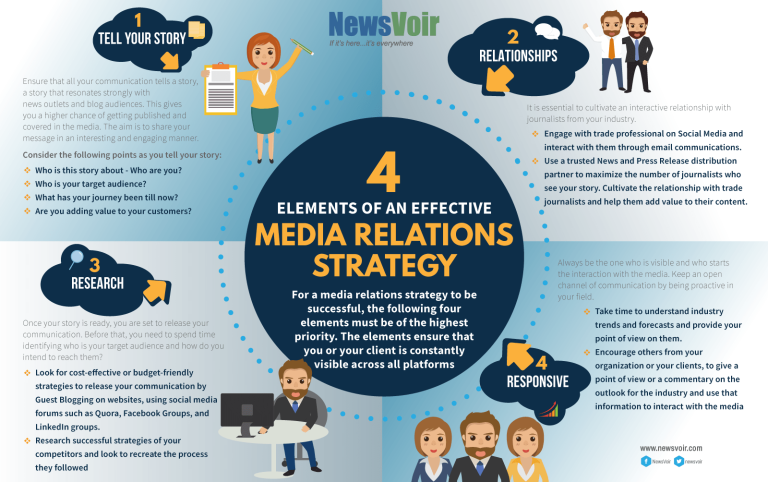
Research the publications, journalists, industry platforms, and audiences that are relevant to your startup. Understanding who covers your industry and what topics they focus on can help you develop more relevant PR outreach.
Build Media Relationships
PR is not only about sending press releases. Building relationships with relevant journalists and media professionals over time can help startups communicate their expertise and increase opportunities for relevant coverage.
Use Press Releases for Genuine News
Use press releases when your startup has something genuinely newsworthy to announce, such as a product launch, funding announcement, strategic partnership, expansion, research findings, or significant milestone. A well-structured release can help communicate the announcement to relevant media and audiences. NewsVoir’s PR guidance similarly emphasizes press releases and media relations as important PR tools.
Establish Thought Leadership
Founders and senior team members can contribute expert insights through interviews, opinion articles, industry commentary, podcasts, and other relevant platforms. Sharing useful expertise can help establish the startup as a knowledgeable participant in its industry.
Use Digital and Social Channels
PR efforts can be supported through your website, social media, email, and other digital channels. Consistent communication across these platforms can help reinforce your brand story and extend the reach of media coverage and other PR activities.
Measure and Refine Your PR Efforts
Track relevant results such as media coverage, website traffic, referral traffic, backlinks, audience engagement, and leads where appropriate. Reviewing these results can help you understand which PR activities are contributing to your goals and where your approach can be refined.
Common PR Mistakes Startups Should Avoid
Startups can waste time and resources when PR efforts are not planned around clear objectives and relevant audiences. Avoiding a few common mistakes can make your PR activities more focused and effective.
Trying to promote every update can reduce the news value of your announcements. Focus on developments that are genuinely relevant to your audience or industry.
Using a generic story for every audience can make your communication less relevant. Adapt your messaging based on the publication, audience, and type of story you are pitching.
Focusing only on publicity can lead to short-term activity without building lasting relationships. PR should also involve consistent communication, media relationships, and thought leadership.
Ignoring measurement makes it difficult to understand what is working. Track relevant coverage, traffic, engagement, and other outcomes to improve your PR approach over time.
How to Build a Consistent PR strategies for Your Startups
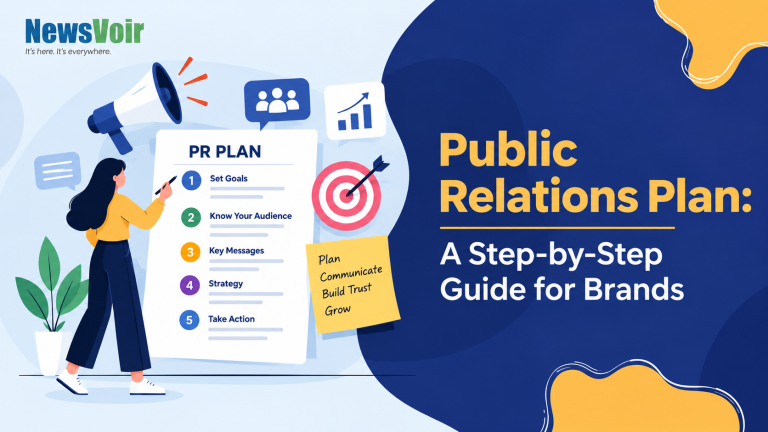
A successful PR strategy requires consistency rather than occasional publicity. Start by setting clear PR goals and identifying the audiences, media outlets, and industry platforms you want to reach.
Create a simple PR calendar around your upcoming product launches, partnerships, milestones, events, research, and other newsworthy developments. This allows you to plan your communication instead of reacting to every announcement at the last minute.
Combine different PR activities, such as press releases, media outreach, thought leadership, interviews, and digital content, based on your goals. Review the results regularly and refine your approach based on the coverage, visibility, and engagement you generate.
For startups, a consistent and focused approach can help turn individual PR activities into a long-term effort to build brand visibility and market trust.
Conclusion
Effective PR can help startups move beyond simply creating awareness and work toward building credibility, visibility, and market trust.
By developing a clear brand story, building relevant media relationships, sharing genuinely newsworthy updates, and consistently measuring results, startups can create a PR approach that supports their long-term growth.
Frequently Asked Questions
1. Why is PR important for startups?
PR can help startups build brand awareness, establish credibility, communicate their expertise, and reach relevant audiences through media and other channels.
2. What are effective PR strategies for startups?
Startups can use strategies such as media outreach, press releases, thought leadership, founder-led communication, digital content, and consistent PR planning.
3. When should a startup issue a press release?
A startup can issue a press release when it has genuinely newsworthy developments, such as a product launch, funding announcement, partnership, expansion, research finding, or significant milestone.
4. How can startups build relationships with the media?
Startups can research relevant journalists and publications, understand their areas of interest, provide useful and relevant information, and maintain relationships over time rather than contacting journalists only when they need coverage.
5. How can startups measure PR success?
Startups can track metrics such as media coverage, website traffic, referral traffic, backlinks, audience engagement, and leads to understand the results of their PR activities.